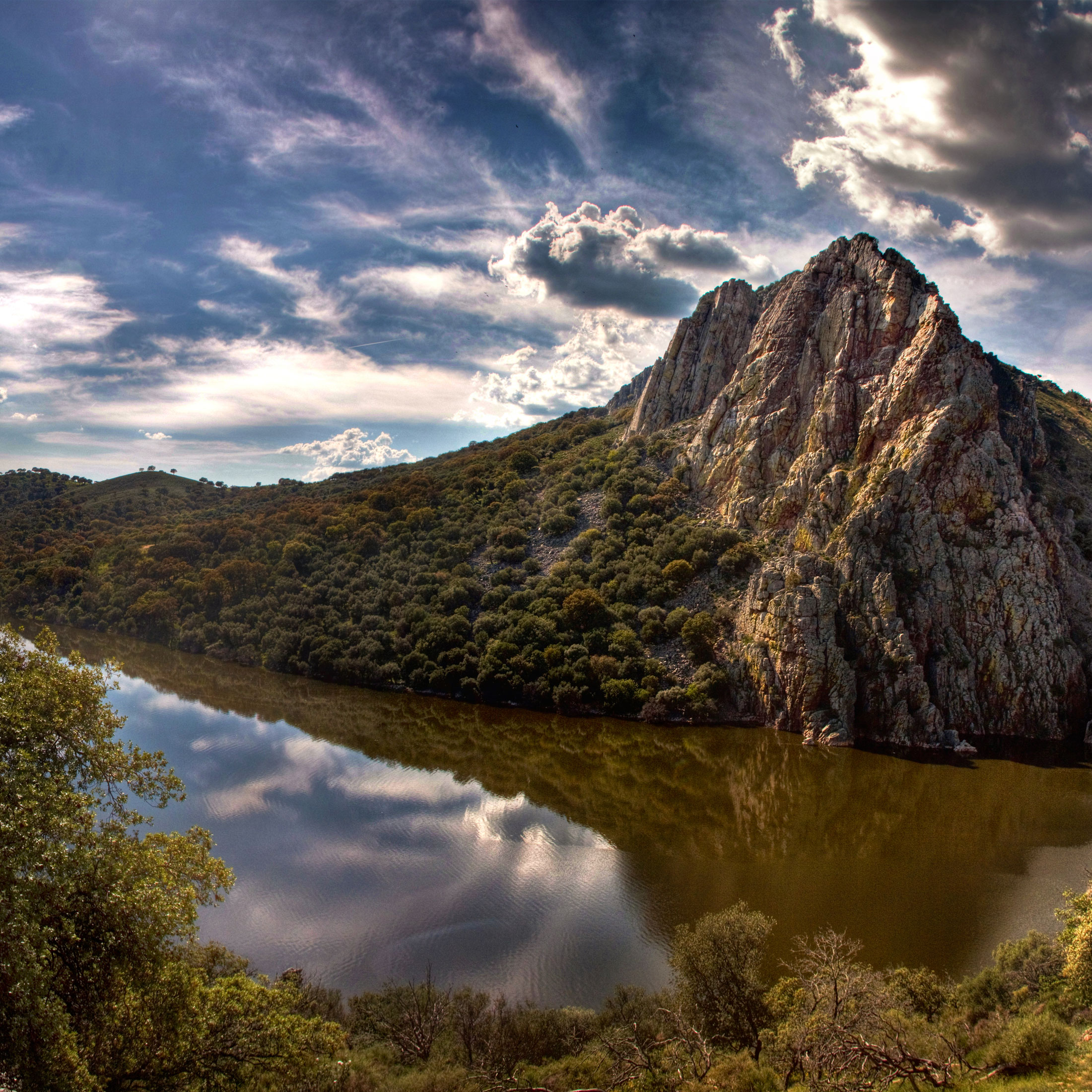
Extremadura, Spain
20 September 2015 to 26 September 2015
Led by David Lindo – The Urban Birder and
Extremadura-based Martin Kelsey
Tour Overview
Extremadura, although well known by British birders, is one of the least known regions of Spain – even by the Spaniards. The area is twice the size of Wales and is indeed, Spain’s biggest secret.
The region is traditionally known as spring venue for birding and wildlife watching but the autumn is nevertheless a rewarding time to visit. Although most of the summer visitors like the Lesser Kestrels may have left there is large autumn passage underway and early winter visitors are already arriving. Indeed, Extremadura as a whole has the richest winter birdlife of any region in Spain. One of the lasting impressions visitors will have is of the sheer number of birds, everywhere.
Extremadura boasts a wonderful variety of habitats ranging from mixed-farming plains to open managed woodland pasture where the famous Iberian pigs roam free-range, deep rocky valleys, irrigated lands, reservoirs and mountains. Added to this mix are the beautiful towns and villages that are steeped in history and great for wildlife in their own right. During the time of this tour the landscape will be turning green after the summer drought with beautiful autumn flowers in bloom attracting the remaining butterflies and dragonflies that are still present.
Speciality birds like White-rumped Swift should still be around whilst resident steppe species like the Great Bustard, Little Bustard, Pin-tailed and Black-bellied Sandgrouse are findable. Winter flocks of Stone Curlew gather making them much easier to see than during the spring. Everywhere will be migrant Whinchats, Pied Flycatchers and Willow Warblers, with a good chance also of Tawny Pipits.
Passage waders and waterfowl will be moving through the rice-fields where the harvest will be starting, inducing feeding frenzies amongst the egrets, storks and gulls that follow the combines and tractors.
Meanwhile, at the world famous Monfragüe National Park Red Deer rut, Griffon and Black Vultures drift and there is a good chance for a passing Golden or Iberian Imperial Eagles.
Expected Birds
Great Egret, Squacco Heron, White Stork, Black Stork, Spoonbill, Black Vulture, Griffon Vulture, Black-winged Kite, Golden Eagle, Iberian Imperial Eagle, Bonelli’s Eagle, Purple Swamphen, Stone Curlew, Black-winged Stilt, Great Bustard, Little Bustard, Pin-tailed Sandgrouse, Black-bellied Sandgrouse, White-rumped Swift, Little Owl, Calandra Lark, Crested Lark, Thekla Lark, Red-rumped Swallow, Tawny Pipit, Blue Rock Thrush, Black Wheatear, Cetti’s Warbler, Penduline Tit, Southern Grey Shrike, Azure-winged Magpie, Spanish Sparrow, Rock Sparrow, Spotless Starling
Itinerary
NB. The sequence of places visited may alter to take into account changes in the weather
Day 1
Arrive in Madrid and transfer to Extremadura.
Overnight stay at Casa Rural El Recuerdo, our base for the duration of the tour, near Trujillo in the province of Cáceres. http://www.casaruralelrecuerdo.com
Day 2
We will visit the plains and river valleys west of Trujillo to get a good introduction to landscape and scenery. Great and Little Bustards, Pin-tailed and Black-bellied Sandgrouse, Griffon and Black Vultures, hopefully eagle species, Calandra, Crested and Thekla Larks, flocks of Corn Buntings and hopefully Rock Sparrows.
Day 3
A day spent in the iconic Monfragüe National Park: a superb site for raptors, woodland species such as Hawfinch, Firecrest and Crested Tit as well as roaming Red Deer. We will stay out until dusk for the chance of Eagle Owl.
Day 4
This will be a day of reservoirs and rice-fields and we will see how modern landscapes have become great resources for birds. We will see large numbers of egrets and storks, as well as passage waders and duck. We will also look for Stone Curlew roosts.
Day 5
We will start the day visiting the plains south of Trujillo for more bustards and other steppe birds. Lunch will be south of Mérida at Alange where we will scout for Black Wheatear and hopefully find Bonelli’s Eagle. Finally, we will spend an afternoon in Mérida, the capital city of Extremadura, focusing on birding from the Roman Bridge to spot egrets and Penduline Tits. At 790 metres, the Roman Bridge is longest surviving Roman bridge in the world. It straddles the Guadiana River in the heart of the city and is also probably the best place in Extremadura to see Purple Swamphens.
Day 6
We will pay a visit to the Arrocampo Reservoir for more Purple Swamphens with chances for Penduline Tit and Bluethroat. We will also pop into the nearby mixed woodland for birds like Short-toed Treecreeper. Later in the afternoon/early evening we will pay a visit to Trujillo and with a little luck plus using a bit of The Force we may encounter an urban Eagle Owl.
Day 7
Transfer to Madrid for the flight home.
Price: £1100.00 / person (excluding flight)
Single supplement: £115.00
Deposit: £240.00
To ensure you get a spot, make your payment online now and download your booking application.
Please return your signed booking application to tubteam@theurbanbirder.com
Full Payment @ £1100.00Deposit @ £240.00Download Booking Form
If you have any questions or would like to discuss this tour further please email:tubteam@theurbanbirder.com
Price includes:
Full board accommodation
Drinks and meals
Transport in a comfortable minibus
The services of your guides David Lindo (The Urban Birder) and Martin Kelsey.
Price does not include:
Airline tickets and airport taxes
Personal travel insurance
Entry fees to monuments and museums (if desired)
Incidental refreshments at cafes and bars, plus all additional drinks
Special trip notes
This trip is suitable for all ages and abilities.
A moderate amount of walking is involved.
The weather can range from being mild to
ptetty hot.It can also be wet so bring waterproof
attire and walking boots.
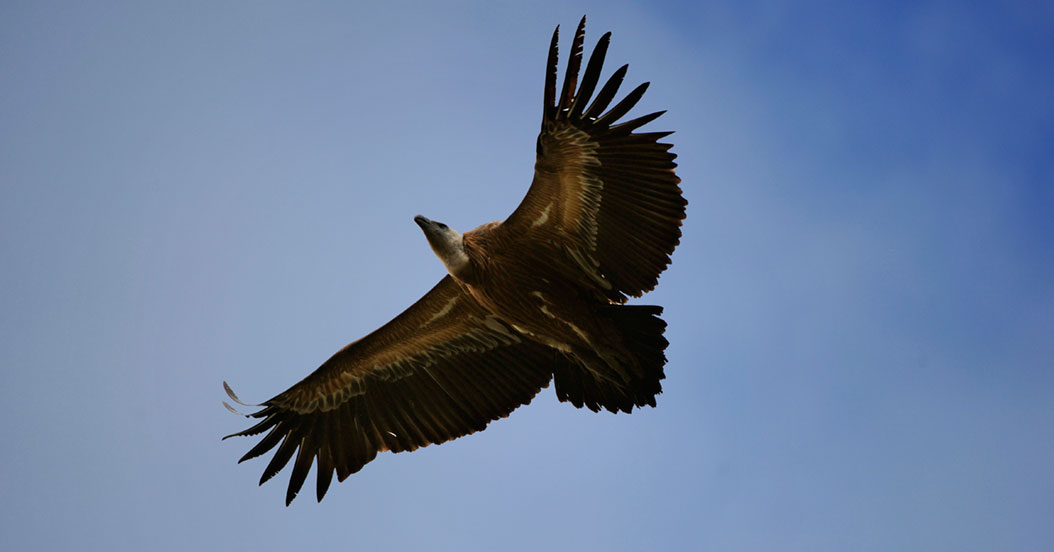
Griffon Vulture – Russell Spencer
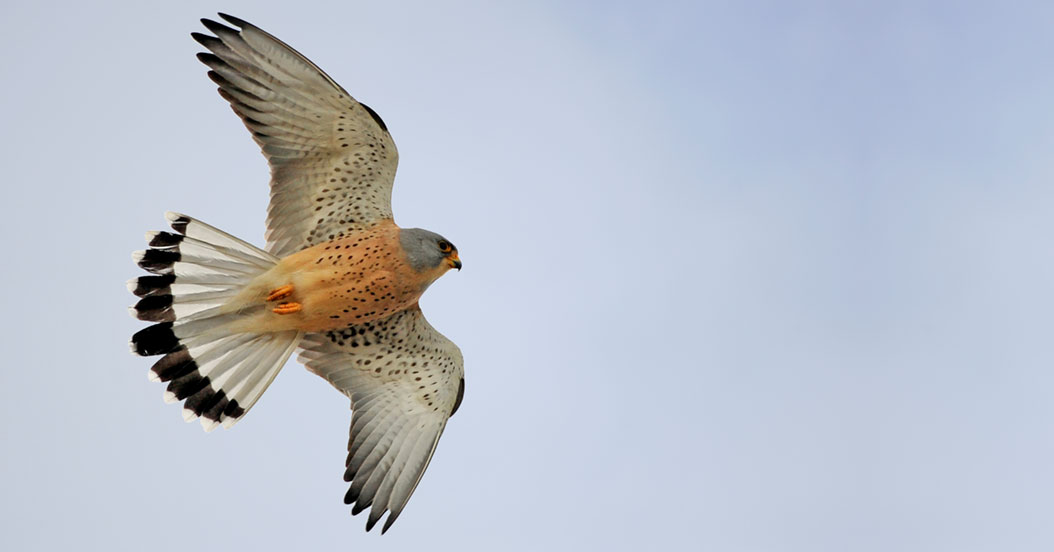
Lesser Kestrel – Russell Spencer
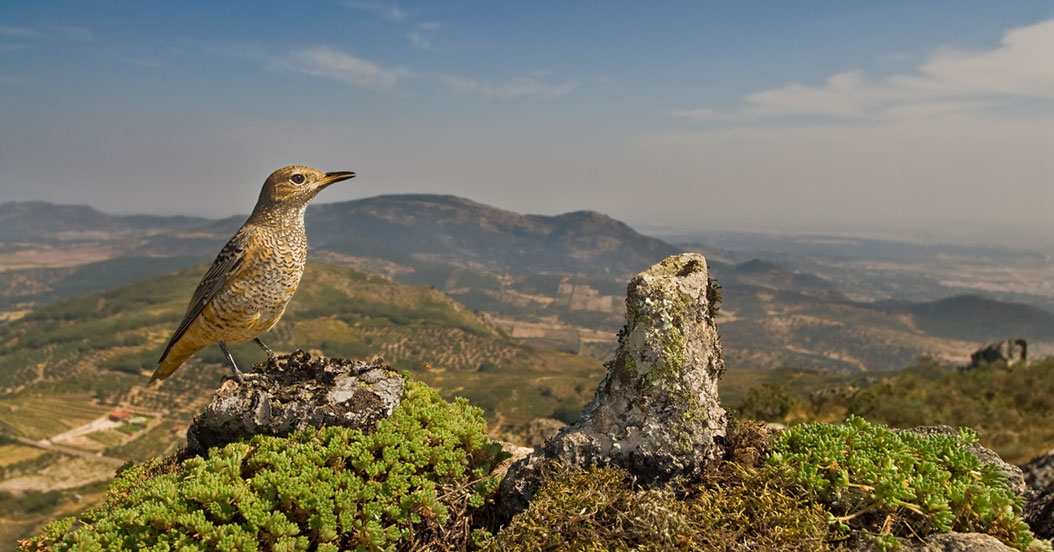
Rock Thrush – David Álvarez
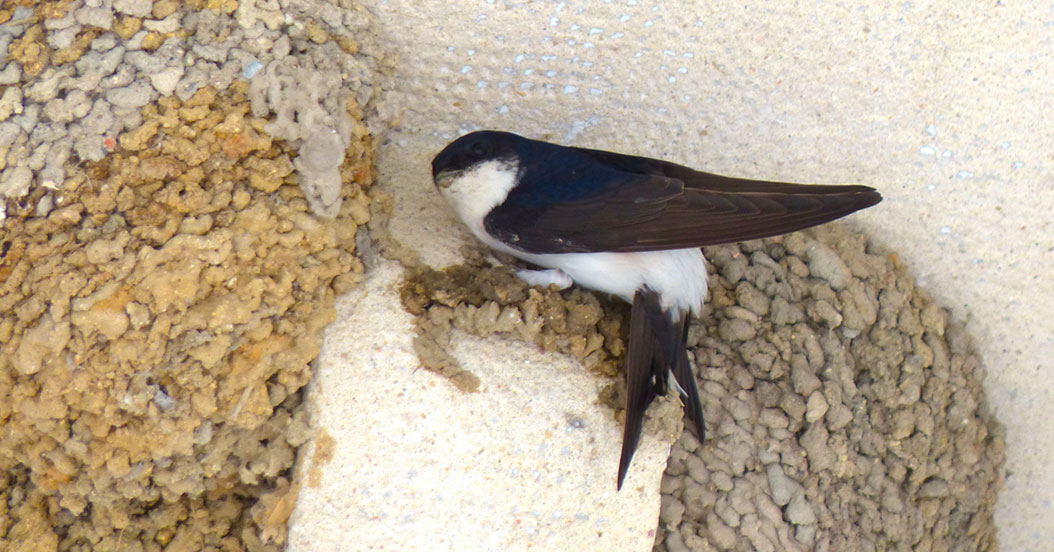
House Martin – David Lindo
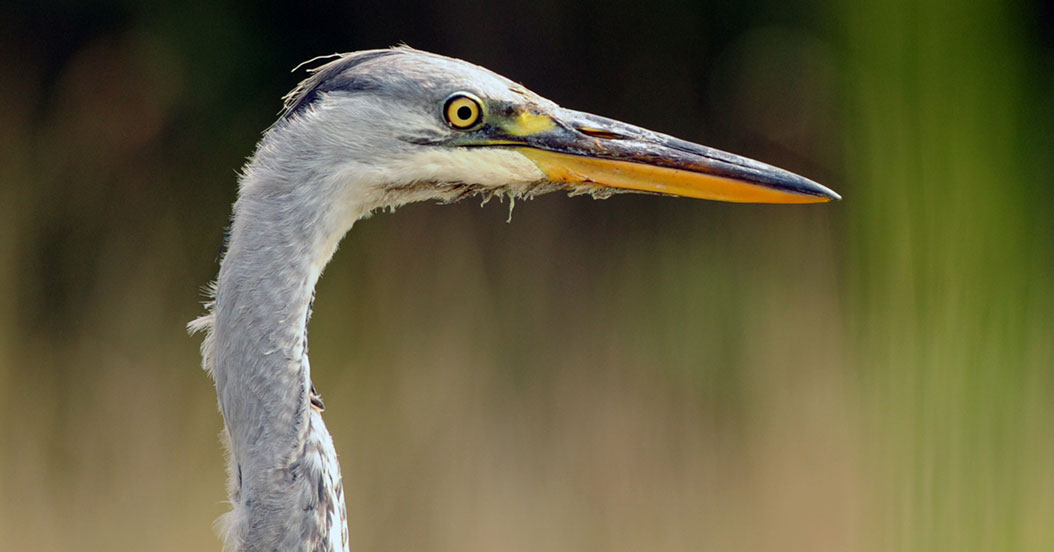
Grey Heron- Russell Spencer
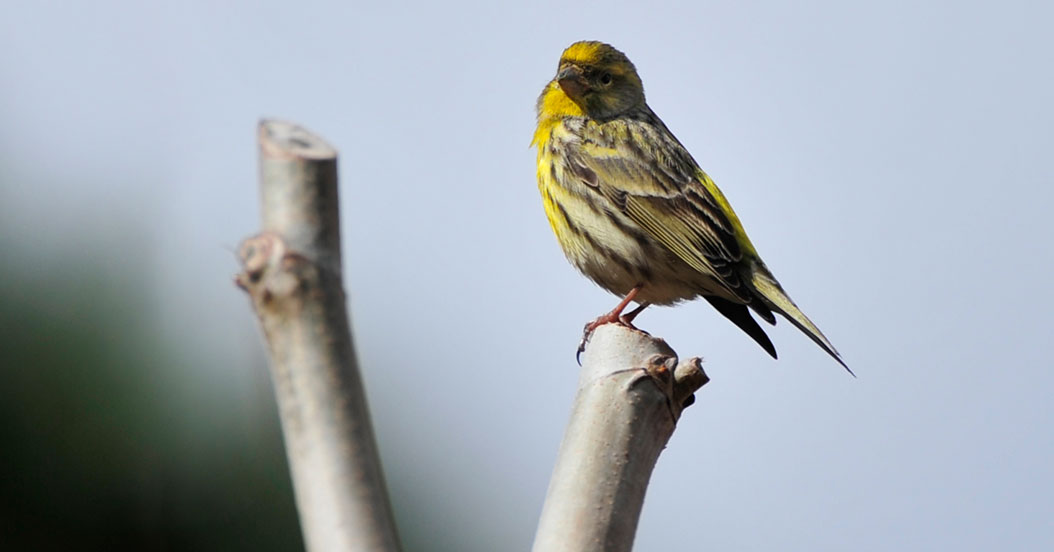
European Serin – Russell Spencer